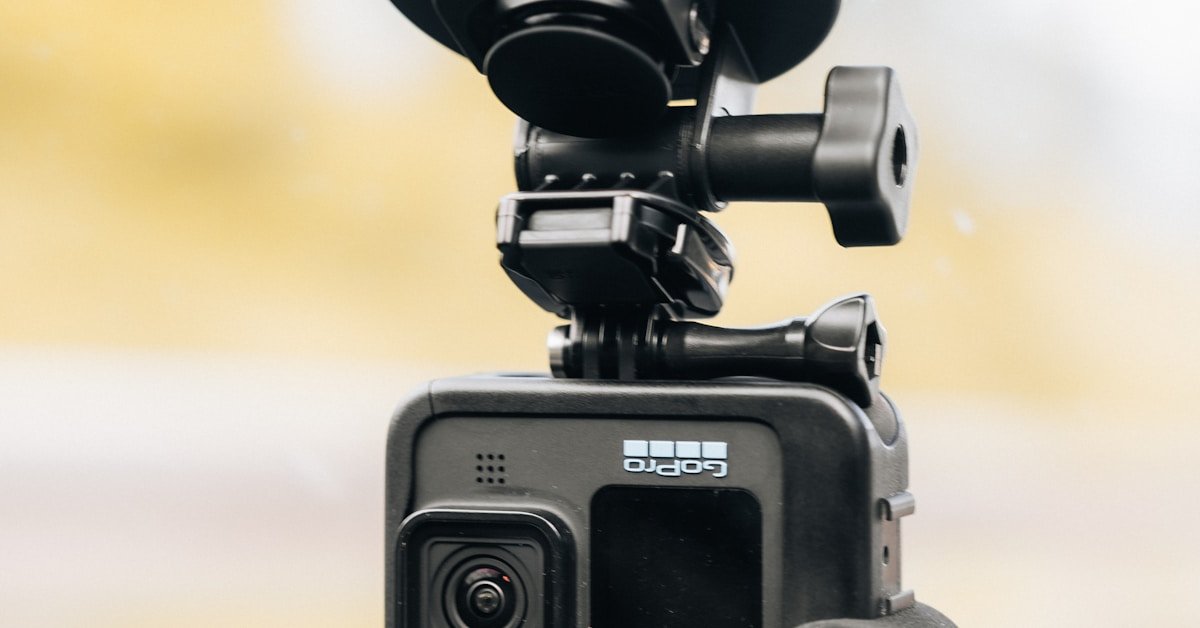
Two cameras. Both shoot 4K with Sony STARVIS 2 sensors. Both have strong reputations. But they cost very different amounts and are built for very different kinds of buyers.
The Viofo A329S runs around $250–$300. The BlackVue Elite 9 starts at $400 and climbs higher with accessories. That $150+ gap isn’t just about brand prestige — it represents genuinely different priorities. The Viofo is engineered to maximize video quality and hardware specs per dollar. The BlackVue is built around an ecosystem: cloud access, remote monitoring, ultra-low-power parking, and long-term peace of mind.
This comparison will tell you exactly what you get for the extra money, and help you decide which one is right for your situation.
🔎 Not sure if these cameras are in your budget? See our Best Dash Cams 2026 roundup for the full range of top picks at every price.
Quick Verdict
| Viofo A329S | BlackVue Elite 9 | |
|---|---|---|
| Best for | Best overall value — specs, video quality, reliability | Cloud connectivity, remote monitoring, premium parking mode |
| Resolution | 4K front + 2K rear | 4K front + 2K rear |
| Front sensor | Sony STARVIS 2 IMX678 | Sony STARVIS 2 IMX678 |
| Rear sensor | Sony STARVIS 2 IMX675 | Sony STARVIS 2 IMX675 |
| Cloud | No (app only via Wi-Fi) | Yes (optional LTE module) |
| Parking mode | Buffered parking mode (hardwire kit required) | Ultra-low power (<0.5mA), up to 30 days standby |
| Wi-Fi | Wi-Fi 6 (5GHz) | Wi-Fi 5 (2.4GHz/5GHz) |
| Storage | Up to 4TB SSD or 512GB microSD | Up to 1TB |
| Warranty | 1 year | 2 years |
| Price | ~$250–$300 | ~$400–$500 |
Video Quality: Essentially a Tie
Both cameras use identical front sensors — the Sony STARVIS 2 IMX678 — and identical rear sensors — the Sony STARVIS 2 IMX675. In terms of the silicon doing the actual image capturing, these two cameras are the same.
In practice, video quality comes down to how each camera processes and encodes that sensor data. Both shoot 4K at 30fps and 2K rear at 30fps. The BlackVue Elite 9 uses an average bitrate of ~60 Mbps for the front channel, which is excellent. Viofo pushes competitive bitrates as well.
Real-world sample footage from both cameras shows highly similar results in daylight: sharp, detailed 4K video with good color accuracy. Night vision is strong on both, as you’d expect from STARVIS 2 sensors combined with HDR processing.
Winner: Tie. If you’re choosing purely on video quality, you won’t see a meaningful difference between these two cameras day-to-day.
Parking Mode: BlackVue Wins Decisively
This is where the two cameras diverge most significantly, and it’s the main reason the BlackVue Elite 9 commands a premium price.
The Viofo A329S offers buffered parking mode — when hardwired, the camera detects motion or impact and saves a clip. This works well for most use cases, but it draws enough power that leaving it running for more than a day or two can drain your car battery.
The BlackVue Elite 9 takes a fundamentally different approach with its Ultra Low Power Parking Mode. The camera draws less than 0.5mA in standby — hundreds of times less than standard parking mode operation. It wakes on impact, records a 1-minute clip, and goes back to standby. With a healthy car battery, this can run for up to 30 days uninterrupted. Paired with BlackVue’s optional external battery pack, that extends even further.
For drivers who park on the street, in unmonitored lots, or leave their car for extended trips, this is a genuinely transformative difference. The A329S is adequate; the Elite 9 is exceptional.
Winner: BlackVue Elite 9 — by a large margin.
Cloud Connectivity: BlackVue Only
The Viofo A329S connects to your phone via Wi-Fi 6, which lets you view footage, change settings, and download clips when you’re within range. That’s it. There’s no remote access, no live view when you’re away from the car, no incident notifications pushed to your phone.
The BlackVue Elite 9 supports full cloud connectivity via the BlackVue Cloud platform. With an optional LTE module (or by tethering to a hotspot), you can:
- View a live stream from your car’s cameras from anywhere in the world
- Receive instant push notifications when an impact or motion event is detected while parked
- Remotely download specific clips without physically accessing the camera
- Track your car’s GPS location in real time
- Automatically back up incident clips to BlackVue’s cloud (5GB free storage included)
For fleet operators, rideshare drivers, or anyone who wants to know the moment something happens to their parked car, this cloud ecosystem is a compelling differentiator. For a regular commuter who just wants reliable incident recording, it’s a nice-to-have at best.
Winner: BlackVue Elite 9. The Viofo doesn’t compete here — cloud connectivity simply doesn’t exist on the A329S.
Build Quality & Design
Both cameras are solidly built, but they take different design philosophies.
The Viofo A329S has a functional, utilitarian design. It’s rectangular, moderately sized, and gets the job done without any attempt to be visually distinctive. The build quality is good — not premium feeling, but nothing that will make you question its durability. The supercapacitor design means it handles heat well.
The BlackVue Elite 9 uses BlackVue’s signature cylindrical design — a long, slim tube that’s one of the most recognizable shapes in the dash cam world. It’s more discreet than a box-shaped camera, and the all-black finish gives it a premium look. The build quality feels more refined. BlackVue also backs it with a 2-year warranty versus Viofo’s 1-year.
Winner: BlackVue Elite 9 on design and warranty. Viofo A329S on heat resilience (supercapacitor vs. battery).
Storage
The Viofo A329S has a notable edge here: it supports external SSD storage up to 4TB, as well as standard microSD cards up to 512GB. For anyone who wants weeks of continuous footage without overwriting, the SSD option is a significant advantage.
The BlackVue Elite 9 supports up to 1TB microSD, which is generous but can’t match the A329S’s SSD compatibility. For most users, 1TB is more than enough — but power users and fleet operators may find the Viofo’s flexibility valuable.
Winner: Viofo A329S on storage flexibility.
App & User Experience
Both cameras have capable smartphone apps, but they serve different purposes given the cameras’ different connectivity models.
The Viofo app connects via direct Wi-Fi to the camera. It’s reliable for viewing footage, adjusting settings, and downloading clips when you’re near the car. Wi-Fi 6 makes transfers noticeably faster than older connections. The app is functional but not particularly polished.
The BlackVue app is built around the cloud ecosystem and is correspondingly more capable. Remote live view, incident alerts, GPS tracking, and cloud backup all live here. The app experience is more polished overall and clearly benefits from BlackVue’s longer presence in the premium market.
Winner: BlackVue Elite 9 on app polish and capability. Viofo A329S on connection speed (Wi-Fi 6).
Price & Value
The Viofo A329S costs roughly $250–$300 for the dual-channel version. The BlackVue Elite 9 starts at around $400–$500 for the 2-channel version, and the LTE module for cloud connectivity is an additional cost on top of that. A BlackVue Cloud subscription may also be needed depending on your usage.
If you want the cloud features, the full cost of the BlackVue ecosystem can approach $600+. For some buyers, that’s absolutely worth it. For others, it’s hard to justify when the Viofo delivers nearly identical video quality for half the price.
Winner: Viofo A329S on pure value. BlackVue Elite 9 justifies its price only if cloud and parking features are priorities.
Head-to-Head Summary
| Category | Winner |
|---|---|
| Video quality | Tie |
| Night vision | Tie |
| Parking mode | BlackVue Elite 9 |
| Cloud connectivity | BlackVue Elite 9 |
| Build quality & design | BlackVue Elite 9 |
| Storage capacity | Viofo A329S |
| Wi-Fi speed | Viofo A329S |
| Value for money | Viofo A329S |
| Warranty | BlackVue Elite 9 |
Who Should Buy the Viofo A329S?
The A329S is the right choice if you want the best possible dash cam performance per dollar. You’ll get identical sensor hardware to the BlackVue, excellent 4K dual-channel footage, a supercapacitor that handles heat better than battery-based cameras, Wi-Fi 6 for fast clip transfers, and support for massive storage configurations including external SSDs. If you’re not interested in cloud connectivity and your parking situation doesn’t demand the Elite 9’s ultra-low-power mode, you’re essentially overpaying for features you won’t use by choosing BlackVue.
Get the Viofo A329S if: You want maximum video quality and hardware specs for the price, you don’t need remote monitoring, and you park in a garage or low-risk area.
Who Should Buy the BlackVue Elite 9?
The Elite 9 is the right choice if parking protection and remote access matter to you. Its ultra-low-power parking mode is genuinely in a different league from the competition — up to 30 days of standby on a healthy battery, with instant wake-on-impact recording. Add cloud connectivity and you have a system that notifies you the moment something happens to your car, whether you’re in the office, on a flight, or asleep. The 2-year warranty and premium build quality are welcome extras at this price.
Get the BlackVue Elite 9 if: You park on the street or in unmonitored areas, you want remote live view and incident alerts, or you’re a fleet operator who needs centralized vehicle monitoring.
Frequently Asked Questions
Are the Viofo A329S and BlackVue Elite 9 the same video quality?
Very nearly, yes. Both use the same front sensor (Sony STARVIS 2 IMX678) and rear sensor (Sony STARVIS 2 IMX675). In practice, daylight and night footage from both cameras is excellent and highly comparable. You’re unlikely to notice a meaningful difference in normal use.
Does the BlackVue Elite 9 need a subscription?
The BlackVue Cloud offers 5GB of free storage included. If you want additional cloud storage or advanced features, a paid plan is available. The LTE connectivity module is a separate purchase if you want remote access without needing a phone hotspot.
Can the Viofo A329S do parking mode?
Yes, with a hardwire kit (sold separately). It supports buffered parking mode with motion and impact detection. It works well for most drivers, but it draws significantly more power than the BlackVue Elite 9’s ultra-low-power mode, making extended parking sessions more likely to drain your battery.
Which is easier to install?
Both are straightforward to install — plug into the cigarette lighter, mount with the adhesive pad, route the cable. For hardwired parking mode, both require a similar process. The Viofo A329S can also connect to an external SSD, which adds an optional cable run.
Is there a 3-channel version of either camera?
The Viofo A329S is available in a 3-channel version that adds an interior fisheye camera — ideal for rideshare drivers and fleet vehicles. The BlackVue Elite 9 is currently only available as a 2-channel (front + rear) system.
The Bottom Line
For most drivers, the Viofo A329S is the smarter buy. It delivers the same core video quality as the BlackVue for $150–$200 less. The money saved can go toward a hardwire kit, a high-endurance SD card, or simply stay in your pocket.
But if you park on the street, leave your car for extended periods, or genuinely want to know the instant something happens to your vehicle — the BlackVue Elite 9’s ultra-low-power parking mode and cloud ecosystem are worth every penny of the premium. It’s the kind of feature you can’t replicate by just spending more on the Viofo.
Both are excellent cameras. The right one depends entirely on what you need from your dash cam.
👉 More reading: Browse our full Best Dash Cams 2026 guide, or check out the Best Dash Cam Under $100 if you’re working with a tighter budget.
RoadGearLab earns commissions through affiliate links at no extra cost to you. Our recommendations are based on independent research. Read our Affiliate Disclosure for details.
Related Guides
Exploring other options or want to learn more? Check out these guides:
- Best 4K Dash Cam 2026 — more top 4K picks beyond these two
- Best Front and Rear Dash Cam 2026 — dual-channel systems compared
- BlackVue DR970X-2CH Plus Review — in-depth look at BlackVue’s flagship
- How to Install a Dash Cam — complete installation walkthrough